
The Crucial Role Dietitians Play in Treating Adult Anorexia Nervosa
Learn how dietitians play a vital role in treating adult anorexia nervosa. Explore their compassionate support in restoring health, nutrition, and trust with food.
Learn how dietitians play a vital role in treating adult anorexia nervosa. Explore their compassionate support in restoring health, nutrition, and trust with food.

Low Energy Availability and RED-S can cause period loss in female athletes. Learn the signs, risks, and how proper fueling supports recovery.

Eating disorder recovery isn’t linear. Learn why slips, setbacks, and grief are often part of healing, not signs that you’ve failed.
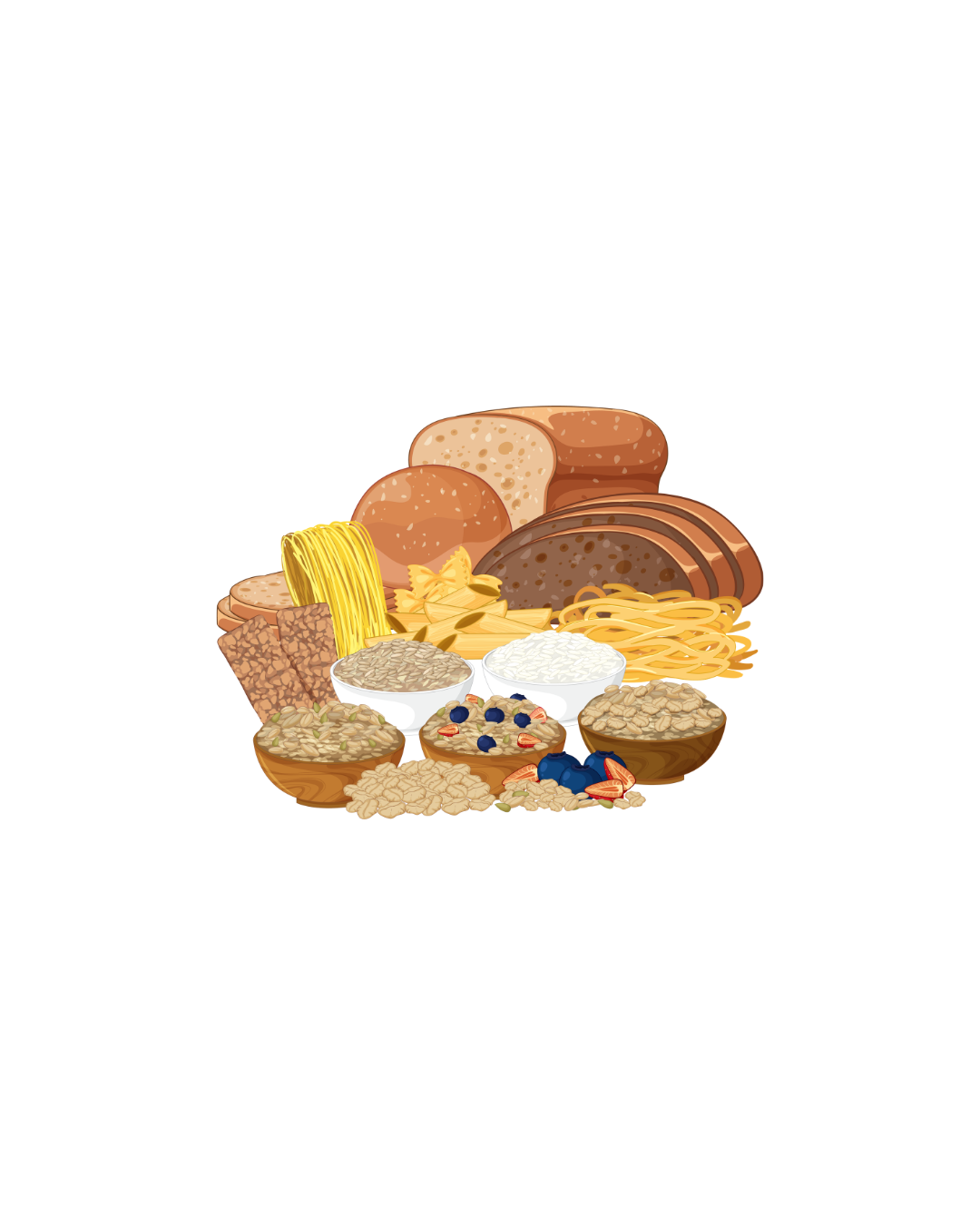
Carb loading explained: why it matters, how it works, and how to fuel properly before endurance events—even when it feels counterintuitive.
Carb loading explained: how many carbs you need, who it’s for, and real-life 2–3 day meal examples with exact carb counts to fuel endurance performance effectively.

Why do you feel tired when eating more in recovery? Learn 7 reasons fatigue happens during eating disorder recovery and how your body heals and adjusts to eating more.

Learn how an extreme focus on clean or “pure” eating can progress into Relative Energy Deficiency in Sport (RED-S). Discover the warning signs, risks, and steps to get help when “healthy eating” becomes harmful.
Learn why increased hunger is common in recovery, including anorexia and athletic recovery, and how the body heals with consistent nourishment.

Learn how the body changes in eating disorder recovery, including anorexia recovery, grief, and how to honour your body with compassion and care.
Learn how hypermetabolism impacts anorexia recovery. Discover why higher calorie needs are essential in eating disorder treatment and how to support healing.

Learn how to safely and gradually reintroduce carbohydrates during eating disorder recovery. This guide helps athletes and active individuals rebuild energy availability, reduce fear around carbs, and support long-term healing.

Is your teen athlete struggling with an eating disorder? Learn how Family-Based Treatment (FBT) empowers parents to lead recovery, restore health, and help their child safely return to the sport they love.

If your athletic teen has an eating disorder, Family-Based Treatment (FBT) can help. A dietitian shares what to expect and how FBT-informed nutrition counseling supports recovery, fueling, and a safe return to sport.
Discover why athletes with eating disorders in New York choose out-of-network nutrition services for specialized, flexible, and effective recovery support.
Discover how fitness trackers can worsen eating disorder symptoms like anorexia, bulimia, or binge eating — and why body trust matters for recovery.

Discover how eating disorder treatment extends beyond therapy, emphasizing the essential role of family, partners, and support networks in lasting recovery for both adolescents and adults.

Wondering if you might have an eating disorder? Learn the signs, symptoms, and how to get help. If you’re struggling with food, body image, or eating behaviors, reach out to Fueling for Recovery for support.

Discover how registered dietitians use evidence-based therapies like ACT, CBT, DBT, and EFT to support eating disorder recovery, including for anorexia, bulimia, binge eating disorder, and ARFID.

Discover 4 evidence-based therapeutic approaches dietitians use to support eating disorder recovery beyond the plate—ACT, CBT, DBT, and EFT.

Discover how intuitive exercise can support healing from eating disorders. Learn to rebuild trust with your body through gentle, joyful movement—featuring Anika’s recovery story and practical guidance. Explore supportive eating disorder treatment options at Fueling for Recovery.

Learn how eating disorders impact the body using the Factory Analogy—a clear, visual way to understand weight restoration and the recovery process.

Recovery from an eating disorder involves addressing both the psychological and physiological damage caused by the disorder. A collaborative approach—especially between a psychotherapist and a registered dietitian—is essential for holistic healing.

This article explores the concept of the Window of Tolerance, a framework that can help you better understand your emotional and physical reactions and support your eating disorder recovery journey.

Learn how coaches can prevent eating disorders by fostering a body and food neutral sport environment that supports athlete health and performance.

Learn how to master carb loading for marathons, triathlons & other endurance events. Fuel your body right to boost energy, endurance, and performance

This blog post will provide you with practical food ideas that can support athletes on the move. These options are not only convenient but also packed with the nutrients you need to keep performing at your best.

Help athletes manage food-related thoughts with strategies for balanced nutrition, emotional health, and performance support

Discover expert hydration strategies for marathon runners from a sports dietitian. Learn how to balance fluids and electrolytes to boost performance, avoid dehydration, and recover faster.

Creating a supportive team culture is critical for the health and well-being of athletes, especially when addressing the risk of eating disorders.

The sports industry, with its intense focus on performance, body image, and weight management, can contribute to the development of eating disorders among athletes.

This blog explores how ACT can support athletes in recovering from eating disorders by focusing on its core principles and techniques, tailored to the needs of those in the sports community.

In embodiment practices, the body is used as a tool for healing and allows for a relationship between our body, thoughts and actions.

Supporting a teammate who you suspect may have an eating disorder can be a challenging and delicate situation.

Addressing RED-S requires a holistic approach that emphasizes education, individualized nutrition, and a supportive environment. This blog provides actionable strategies to combat and prevent RED-S, ensuring athletes are fueled to achieve their peak potential.

Are you worried about the possibility of experiencing Relative Energy Deficiency in Sport (RED-S)? This condition can impact athletes across all sports and competition levels.

For many athletes, food is not just fuel; it’s central to their performance, recovery, and overall health. However, this heightened emphasis on nutrition can lead to an overwhelming focus on food choices, often consuming a significant amount of mental energy.

Binge eating disorder (BED), like all eating disorders, can affect people of all ages and backgrounds. However, the treatment of BED in children and teens requires special considerations. Let’s explore the unique factors influencing BED in this population and how treatment can be tailored to their developmental needs.

As one of the newer therapeutic modalities used in the treatment of eating disorders, Dialectical Behaviour Therapy, or DBT, uses evidence-based practice to support the development of new coping skills that can replace eating disordered behaviours (1).

Discover how yoga can support eating disorder recovery. Learn about the research-backed benefits of yoga for body image, anxiety, and emotional regulation, and how to safely incorporate it into your ED treatment plan.

Explore how sports culture can contribute to eating disorders in athletes. Learn about risk factors, signs, consequences, and how to foster a healthier, more supportive athletic environment.

Learn how orthorexia—a fixation on “clean” or “healthy” eating—affects athletes. Discover signs, causes, and expert strategies to rebuild a balanced relationship with food in sports nutrition.

Welcome to the fourth and final part of our series discussing the medical complications of eating disorders (EDs), and how treatment toward recovery can help.

Binge eating disorder (BED) has almost twice the lifetime prevalence of anorexia and bulimia, making it one of the most commonly experienced eating disorders.

Bulimia Nervosa, or BN, is characterized by cycles of binge eating episode(s), followed by purging behaviours (1). This cycle tends to lead to feelings of guilt and shame, and some people go to great lengths to keep their actions a secret, which can make it difficult for loved ones to detect.

Anorexia Nervosa (AN) is an eating disorder characterized by severe caloric restriction and distorted body image, leading to a significantly low body weight and an intense fear of weight gain.

Carbohydrates are your primary and preferred fuel source for endurance activities, including marathon running.
During prolonged exercise, your body relies heavily on these glycogen stores. As your glycogen levels deplete, you begin to experience fatigue and reduced performance, commonly referred to as “hitting the wall.”